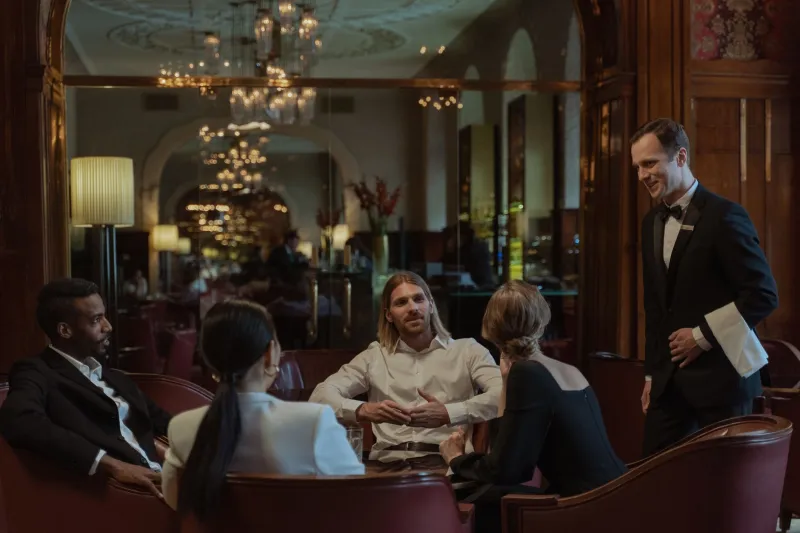
The New Self-Care: How Professional Companionship Is Finding Its Place in the Modern Wellness Conversation
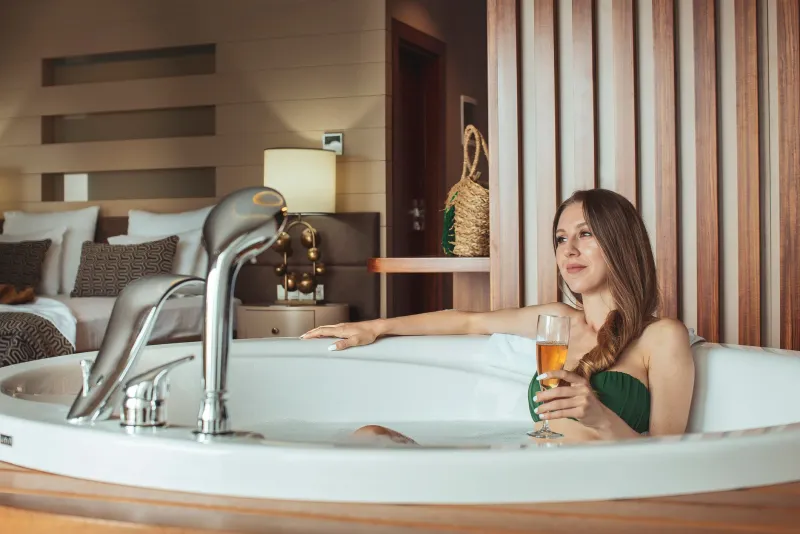
The American wellness industry has undergone a remarkable transformation over the past decade. What once described a narrow category of spa treatments and fitness regimens now encompasses an expansive range of practices oriented toward mental clarity, emotional balance, social fulfillment, and experiential richness. Americans spent an estimated $480 billion on wellness products and services in 2023, according to McKinsey research—a figure that reflects not just consumer spending but a cultural shift in how people understand and prioritize their own wellbeing.
Within that shift, a quieter conversation has been gaining momentum: the recognition that genuine human connection is not a luxury, but a component of health. And professional companionship, long misunderstood or oversimplified, is finding a more nuanced place within that framework.
Loneliness as a Public Health Issue
The U.S. Surgeon General's 2023 advisory on the loneliness epidemic brought mainstream attention to something that social researchers had been documenting for years: Americans are profoundly isolated, and the consequences extend far beyond emotional discomfort. Chronic loneliness is associated with elevated rates of anxiety, depression, cardiovascular disease, and cognitive decline. The advisory described social connection as a fundamental human need—as essential to health as sleep, nutrition, and physical activity.
Against this backdrop, the value of intentional, high-quality human interaction takes on additional significance. For individuals whose professional lives are demanding, whose social networks have thinned through relocation or life transition, or who simply find authentic connection difficult to sustain, professional companionship offers something genuinely meaningful: dedicated, attentive human presence without the complications of conventional social negotiation.
This is not a romantic claim. It is a practical one, grounded in what clients themselves report: that quality companionship engagements leave them feeling more settled, more energized, and more capable of engaging with the other demands of their lives.
Stress Relief Through Presence
The modern professional context in the United States is, by most measures, extraordinarily demanding. Long hours, digital connectivity that erases the boundary between work and rest, and the constant low-grade pressure of performance expectations create chronic stress conditions that conventional self-care strategies address only partially.
Many clients who engage professional companions describe the experience in terms that overlap significantly with therapeutic language: a sense of being heard without judgment, the relief of setting aside professional persona, and the restorative quality of being in the company of someone whose attention is fully present. These are not incidental benefits. They are, for many clients, the primary motivation.
Companions who understand this dynamic—who approach their work with emotional intelligence and a genuine orientation toward client wellbeing—are providing something that sits comfortably alongside massage therapy, executive coaching, or other recognized forms of professional support. The modality is different; the underlying need being addressed is not.
Experiential Wellness and the Rise of the Curated Encounter
Americans are increasingly investing in experiences rather than objects as a pathway to wellbeing. The experiential economy—travel, fine dining, cultural events, adventure activities—has grown substantially as consumers recognize that memorable, meaningful experiences contribute more durably to life satisfaction than material acquisition.
Premium companionship fits naturally within this experiential orientation. A well-curated engagement—an evening at a cultural venue, a thoughtfully planned travel companion arrangement, or simply a long, unhurried dinner with someone genuinely engaging—is an experience in the fullest sense. It is chosen, intentional, and designed to produce a specific quality of feeling: restoration, pleasure, stimulation, or simply the quiet satisfaction of having spent time well.
This framing positions companionship not as an outlier in the wellness landscape but as a coherent part of it. Clients who already invest in personal training, therapy, meditation retreats, or culinary experiences are operating from the same underlying logic when they engage a professional companion: deliberate investment in their own quality of life.
Emotional Intelligence as a Professional Standard
Not all companionship engagements serve wellness purposes equally well. The distinction lies largely in the emotional intelligence of the companion—their capacity to read a client's state, adjust their approach accordingly, and create conditions in which the client feels genuinely at ease.
This is a sophisticated skill set. It encompasses active listening, the ability to hold space for a range of emotional registers without discomfort, and the judgment to know when a client needs animated conversation and when they need companionable quiet. Companions who have developed this capacity tend to describe their work in terms that reflect genuine professional pride—an orientation toward service that goes well beyond surface-level performance.
For clients, the practical implication is straightforward: the quality of the wellness benefit they derive from a companionship engagement is directly related to the emotional sophistication of the companion they choose. This is one of the strongest arguments for engaging through a curated platform that screens for these qualities rather than relying on volume-based marketplace dynamics.
Integrating Companionship Into a Holistic Lifestyle
For clients who have found genuine value in professional companionship as part of their broader approach to wellbeing, the question of integration becomes relevant. How does one incorporate this kind of engagement thoughtfully—alongside other wellness practices, professional commitments, and personal values?
The most satisfied long-term clients tend to approach companionship with the same intentionality they bring to other valued practices: scheduling engagements during periods of particular stress or transition, being clear with themselves about what they are seeking from each encounter, and choosing companions whose specific qualities align with their current needs.
Some clients find that travel engagements serve a particular restorative function—the combination of new environment and quality companionship creating a more complete break from routine than solo travel provides. Others value regular local engagements as a consistent anchor of social connection in otherwise demanding schedules. The specific form matters less than the underlying intentionality.
A Conversation Worth Having
The intersection of professional companionship and wellness is not yet a mainstream conversation in the United States, but it is a legitimate one. As cultural understanding of health continues to broaden—to encompass emotional wellbeing, social connection, and the quality of one's experiences—the services that address these dimensions deserve to be understood on their own terms.
At Anu Escort, we believe that premium companionship, practiced professionally and chosen thoughtfully, belongs in that conversation. The companions on our platform bring genuine skill, emotional attentiveness, and a commitment to client wellbeing that reflects the broader values of the wellness movement—even if the language used to describe it is still catching up.